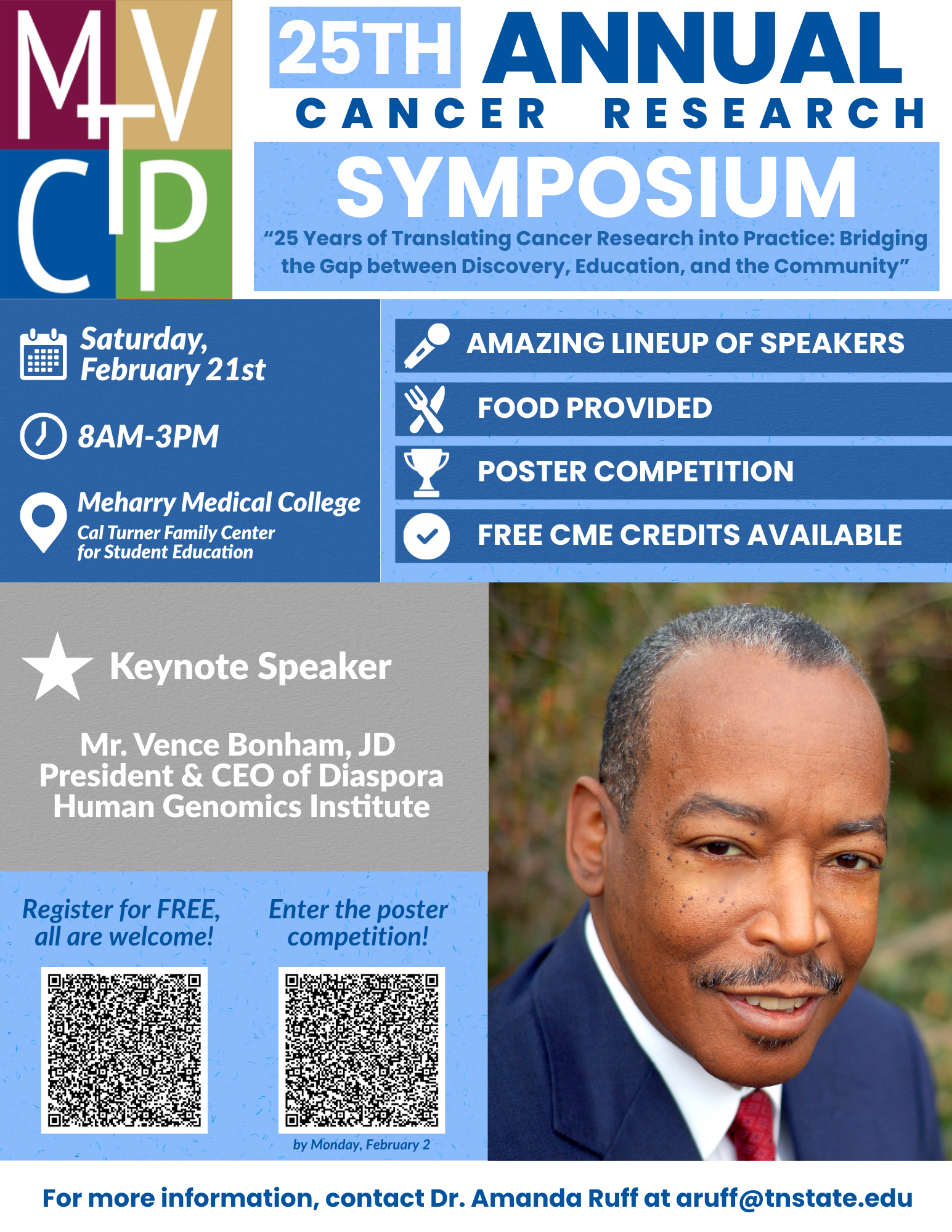
25th Annual Symposium
Event Details
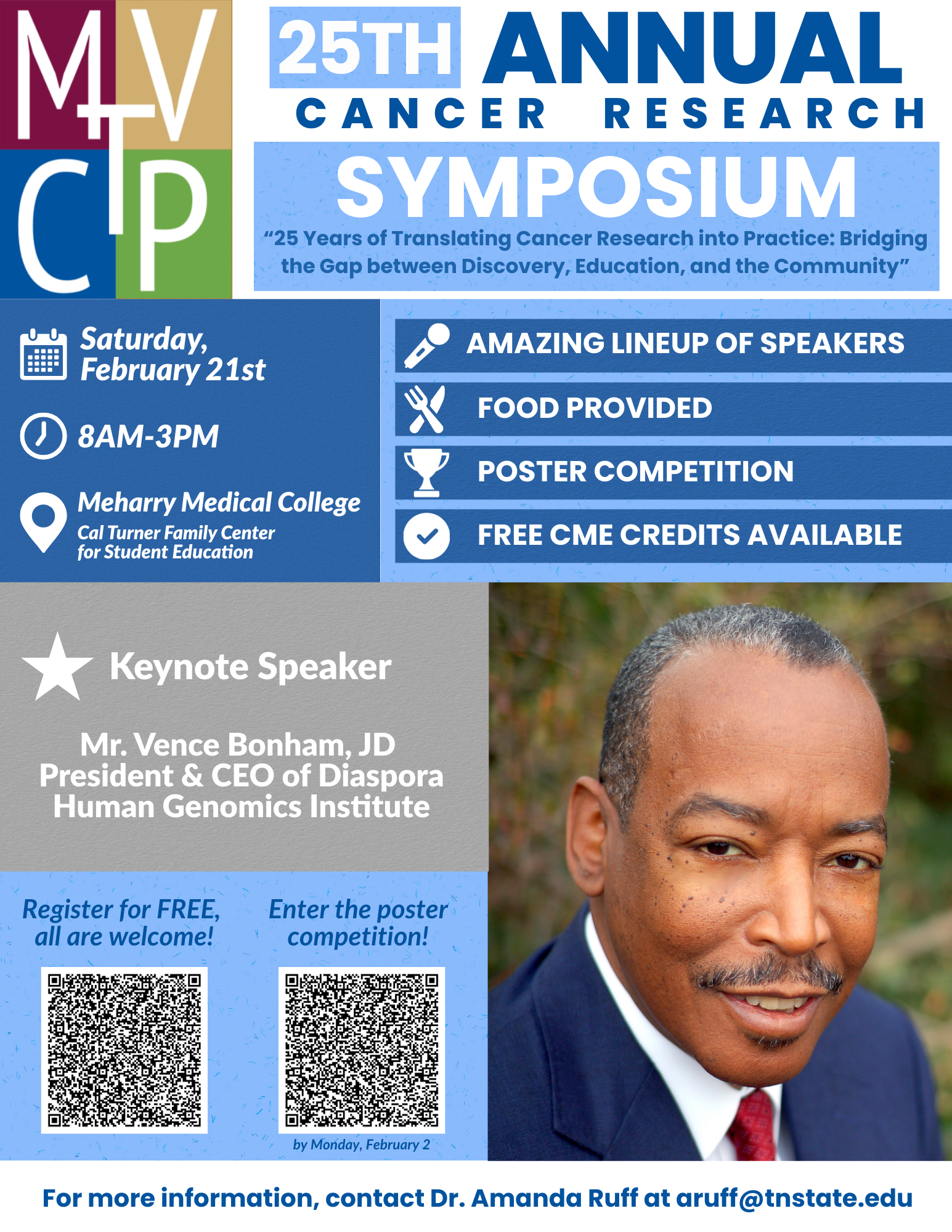
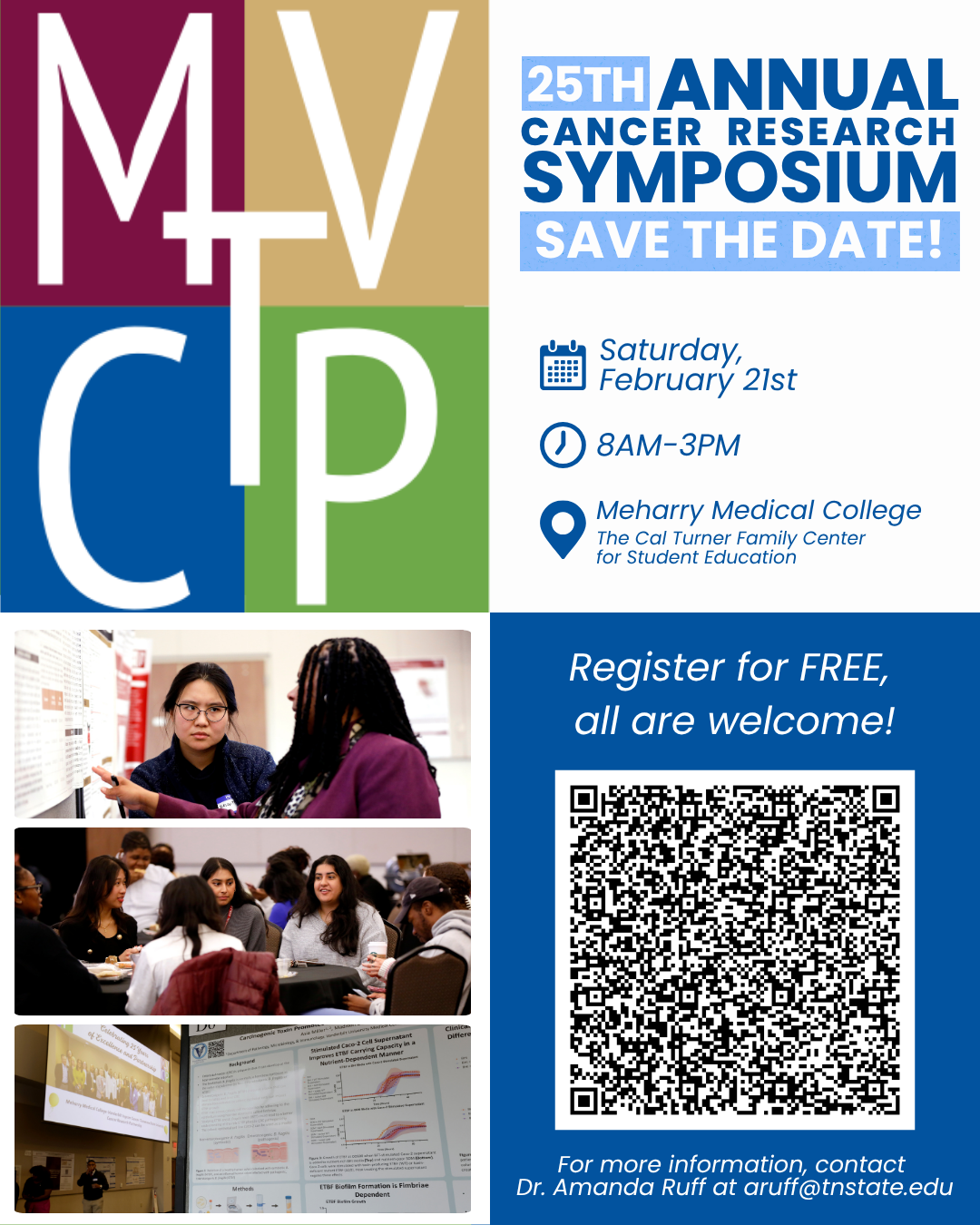
“25 Years of Translating Cancer Research into Practice: Bridging the Gap between Discovery, Education, and the Community”
Date: Saturday, February 21, 2026, 8AM to 3PM
Location: The Cal Turner Family Center for Student Education, Meharry Medical College
Special Address
Keynote Speaker: Mr. Vence Bonham, JD
President & CEO of Diaspora Human Genomics Institute
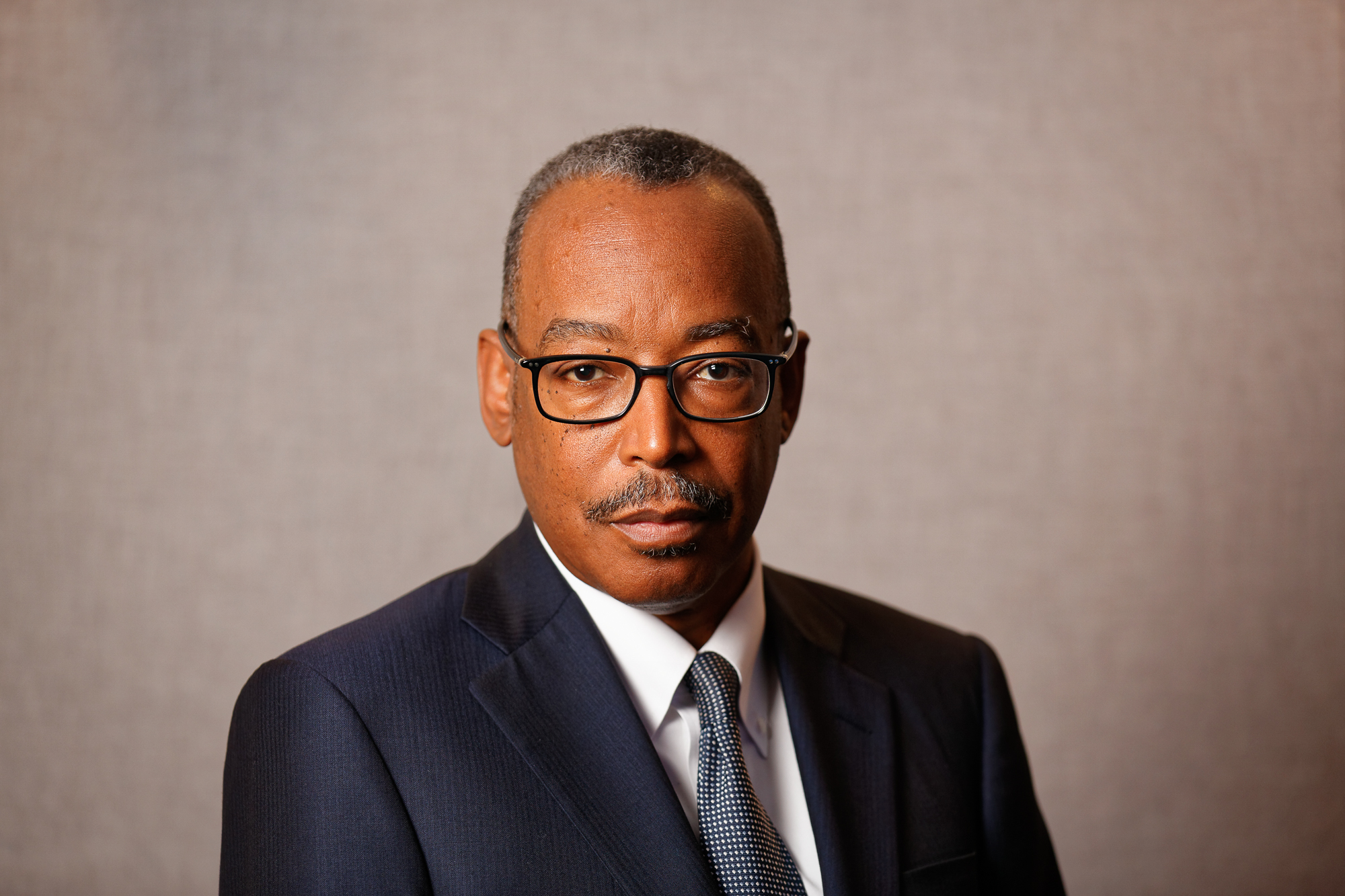
Mr. Vence L. Bonham, Jr., is Professor and Founding Director of the Center for Bioethics, Social and Behavioral Research, at Meharry Medical College in Nashville, Tennessee. He is also President and CEO, of the Diaspora Human Genomics Institute a nonprofit organization established by Meharry Medical College dedicated to advancing human health through genomics and education, with a commitment to the inclusion of individuals of African ancestry.
Prof. Bonham joined Meharry Medical College with a background in law, bioethics, and genomics. He has held multiple leadership roles at the National Institutes of Health (NIH), including Deputy Director of the National Human Genome Research Institute (NHGRI). Prior to his appointment as Deputy Director, he was the Senior Advisor on Genomics and Health Disparities. Mr. Bonham was a faculty member in the intramural research program at the National Human Genome Research Institute.
He earned his J.D. from The Ohio State University Moritz College of Law and a B.A. with honors from Michigan State University. He held a tenured faculty appointment at Michigan State University in the College of Human Medicine.
Prof. Bonham has authored more than 100 peer-reviewed publications and received numerous accolades for his contributions to science and education. Notable awards include the Advocacy Award from the American Society of Human Genetics, and the Outstanding Faculty Mentorship Award from the National Human Genome Research Institute. His commitment to mentorship has empowered many trainees, guiding them into successful careers in medicine, law, and bioethics.
Speakers
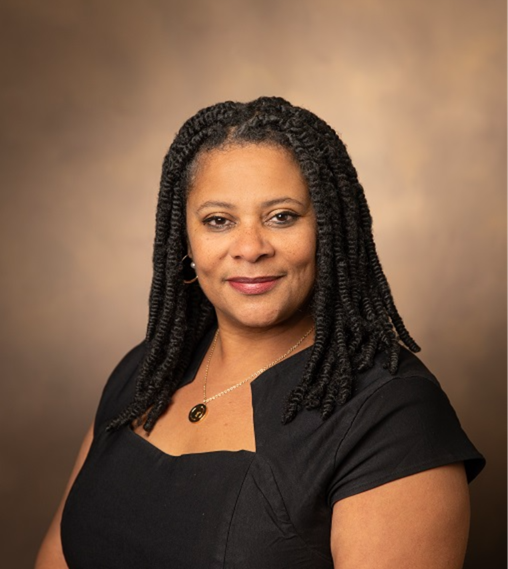
Dr. Karen Winkfield is a radiation oncologist specializing in the treatment of hematologic and breast malignancies. As the executive director of the Meharry-Vanderbilt Alliance she leverages her expertise as an implementation scientist to focus on improving health outcomes for underserved populations through community-engaged research and community-based initiatives; designed to improve access to healthcare including clinical trials.
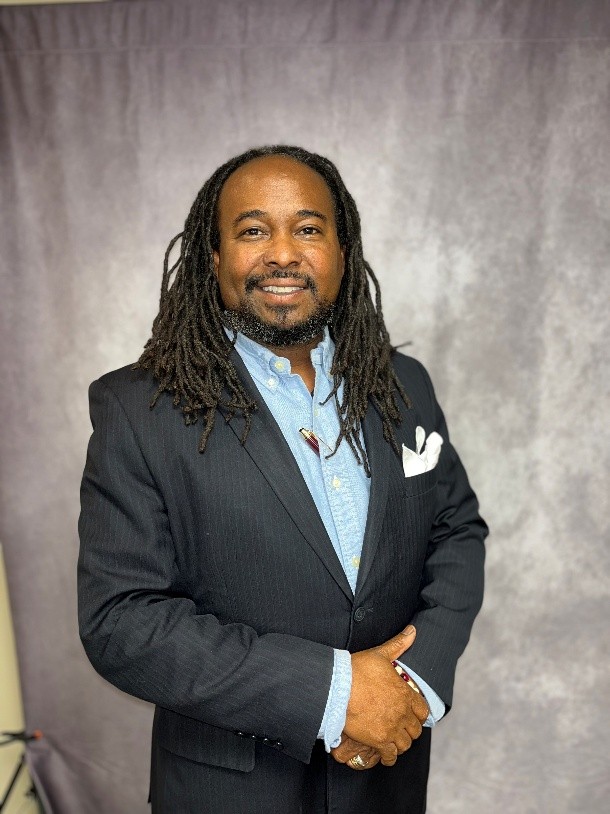
Rev. Dr. Omaràn D. Lee, I is a pastor, counselor, and community leader whose work centers on the intersection of faith, mental health, and community well-being. He is the Founder and Managing Director of Centers for Wellbeing, Inc., a private-pay counseling practice providing culturally responsive, faith-integrated care for individuals, couples, clergy, and caregivers.
Dr. Lee holds a Doctor of Ministry in Pastoral Therapy from Memphis Theological Seminary, where his doctoral research focused on the emotional and spiritual health of bi-vocational clergy in the African American church. With more than a decade of experience in pastoral counseling, group facilitation, and leadership development, Dr. Lee has served in hospitals, congregations, nonprofits, and community-based initiatives. His work emphasizes trauma-informed care, grief support, ethical leadership, and sustainable wellness for those serving in high-demand roles.
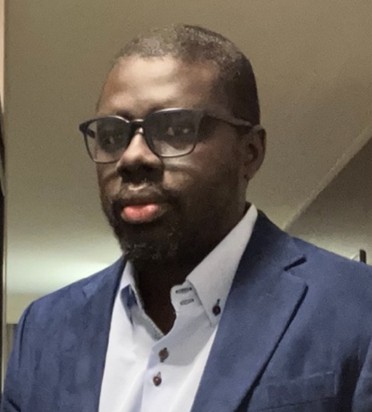
Dr. Amadou Gaye is a genetic epidemiologist with a distinguished research career. Raised in Senegal, he developed a deep interest in science and health disparities early in life. Dr. Gaye’s research is centered on three primary themes: (1) the development of innovative biostatistical methods for epidemiological and genomic studies, (2) investigating the genetic and environmental determinants of multifactorial conditions, with a particular emphasis on cardiometabolic diseases and cancer in populations of African ancestry, and (3) advancing capacity-building initiatives for underrepresented groups in genomics research.
He was awarded a full scholarship, funded by the U.K. Medical Research Council, to pursue a PhD in Genetic Epidemiology at the University of Leicester, followed by advanced postdoctoral training in Data Science at both the University of Leicester and the University of Bristol, in the U.K. In his applied work, Dr. Gaye examines the interplay between genetic, environmental, and socio-demographic factors contributing to cardiometabolic diseases and cancer in African descent populations.
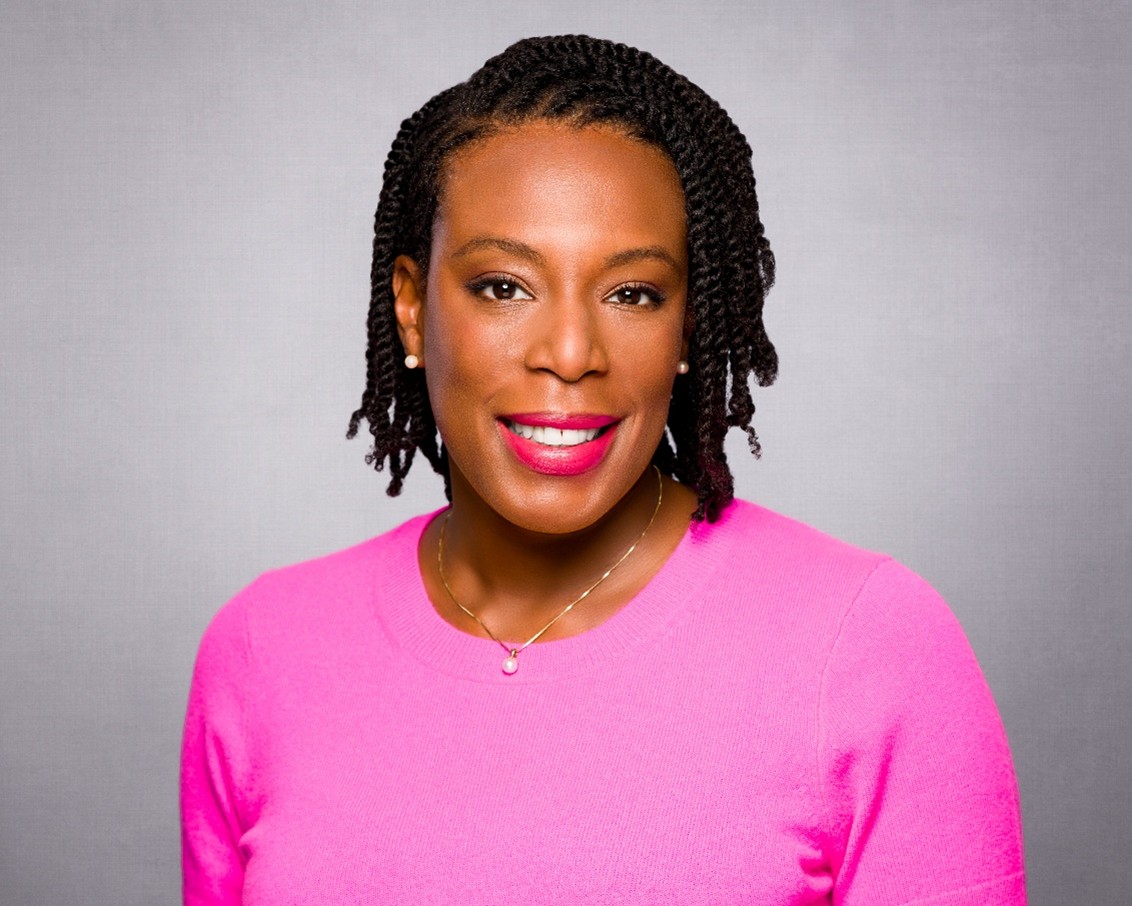
Dr. Cimona V. Hinton is a cancer biologist with more than 20 years of experience in cancer biology, biochemistry, biomedical science, and advancing equity in the scientific workforce. She is Professor in the Department of Microbiology, Biochemistry and Immunology, Director of Cannabinoid Research and Development, and Director of the Kessler Foundation Endowment for Cannabis Research, Policy, and Community Engagement at Morehouse School of Medicine.
She earned her Ph.D. from Meharry Medical College in biochemistry and completed postdoctoral studies at Harvard Medical School, where she developed deep expertise in tumor cell signaling and cancer biology. Her research focuses on mechanisms by which cannabinoids and their receptors inhibit prostate cancer motility and metastasis, including GPCR heterodimer signaling, oxidative stress pathways, and tumor–immune interactions.
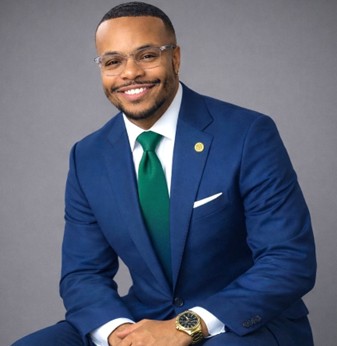
Stephen D. Williams, Ph.D. is a cancer scientist and precision oncology specialist dedicated to improving cancer outcomes through research, education, and health equity. He currently serves as a Clinical Research Scientist and Precision Oncology Liaison within the Departments of Pathology and Laboratory Medicine and Investigational Cancer Therapeutics at MD Anderson Cancer Center in Houston, TX, where he collaborates with oncologists and hematologists to integrate next-generation sequencing, biomarker data, and molecular profiling into patient-specific treatment strategies and early-phase clinical trials.
Dr. Williams earned his Ph.D. in Biochemistry and Cancer Biology from Meharry Medical College, with doctoral research focused on metabolic reprogramming and therapeutic resistance in triple-negative breast cancer. In his current role, Dr. Williams supports molecular tumor boards, integrates next generation sequencing results into clinical discussions, and maintains expertise across immunotherapy and precision-oncology biomarkers, including PD-L1, MSI, TMB, and emerging targeted alterations.
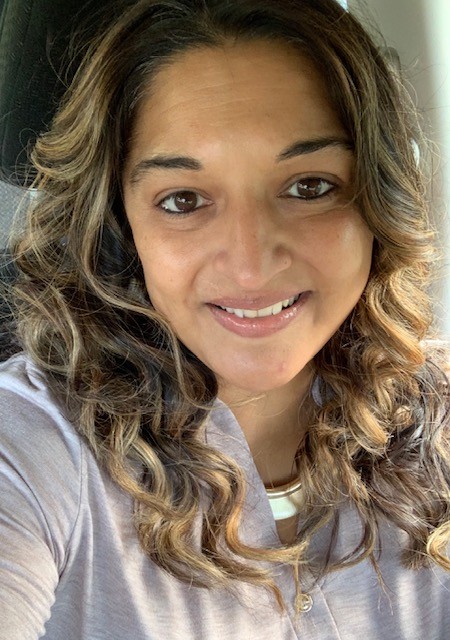
Ila McDermott, MEd is a community member, colon cancer survivor, and currently serves as a Co-Chair for the Meharry Vanderbilt TSU Cancer Prevention (MVTCP) Cancer Outreach Core Community Advisory Board.
She received her Master of Education from Tennessee State University and Bachelor of Science in Psychology from the University of Tennessee at Chattanooga. Her work experience is diverse, ranging from working with the judicial court systems, research, education, counseling, and human resources.
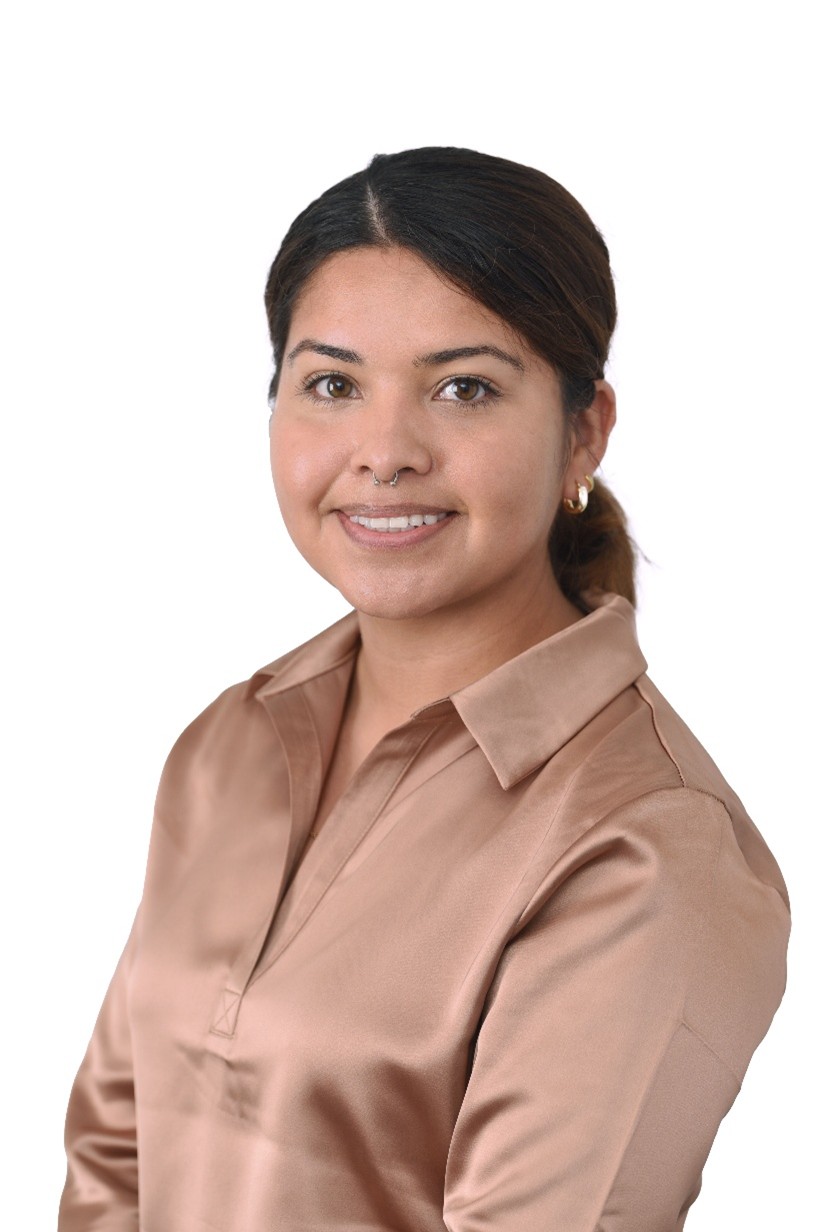
Karla Nataly Robles is a PhD candidate in Computational Science and Engineering at Tennessee State University and a National Science Foundation Graduate Research Fellow. Her early PhD work in antibody drug delivery grew directly out of the MVTCP NIH U54 collaboration, and as a Pre-Doctoral Researcher at TSU, she has partnered with biomedical and cancer biology departments at Meharry Medical College and Vanderbilt University to advance the development of drug delivery techniques for cancer immunotherapeutics. She is currently integrating machine learning to optimize the fabrication of biodegradable microparticles for therapeutic applications.
Karla is equally committed to making science accessible to all. She volunteers as an English Language Instructor at Conexión Américas, supporting adult learners in her Nashville community. An active member of SACNAS and NOBCChE, a Code2040 Fellow, and SMDP MedTech Scholar, Karla—fluent in Spanish and English—strives to break down barriers in STEM and ensure the next generation of scientists reflects the communities they serve.
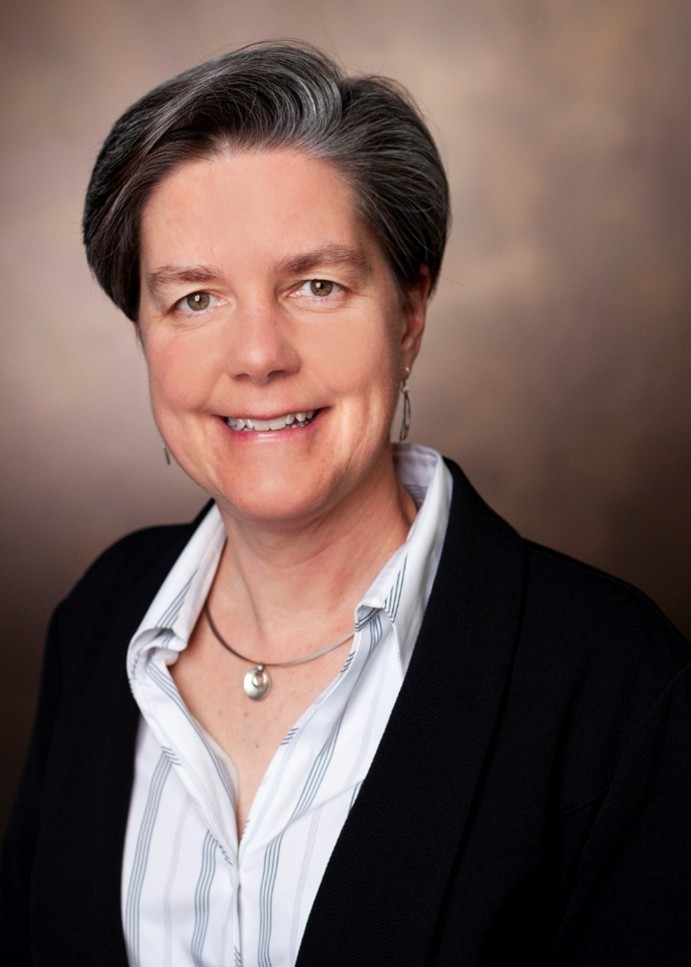
Melinda C. Aldrich, PhD, MPH is a Professor of Medicine in the Division of Genetic Medicine and Clinical Pharmacology (Department of Medicine) at Vanderbilt University Medical Center. She received her MPH and PhD degrees from the University of California, Berkeley.
Dr. Aldrich is an internationally respected expert in lung cancer epidemiology. Broadly, her research interests focus on the genetic epidemiology of lung cancer, risk prediction modeling, lung cancer screening, translational research, and the interplay of social, environmental and genetics on lung cancer outcomes. Dr. Aldrich is passionate about addressing inequities in lung cancer. Her current research program focuses on the prevention, diagnosis, and treatment of lung cancer.
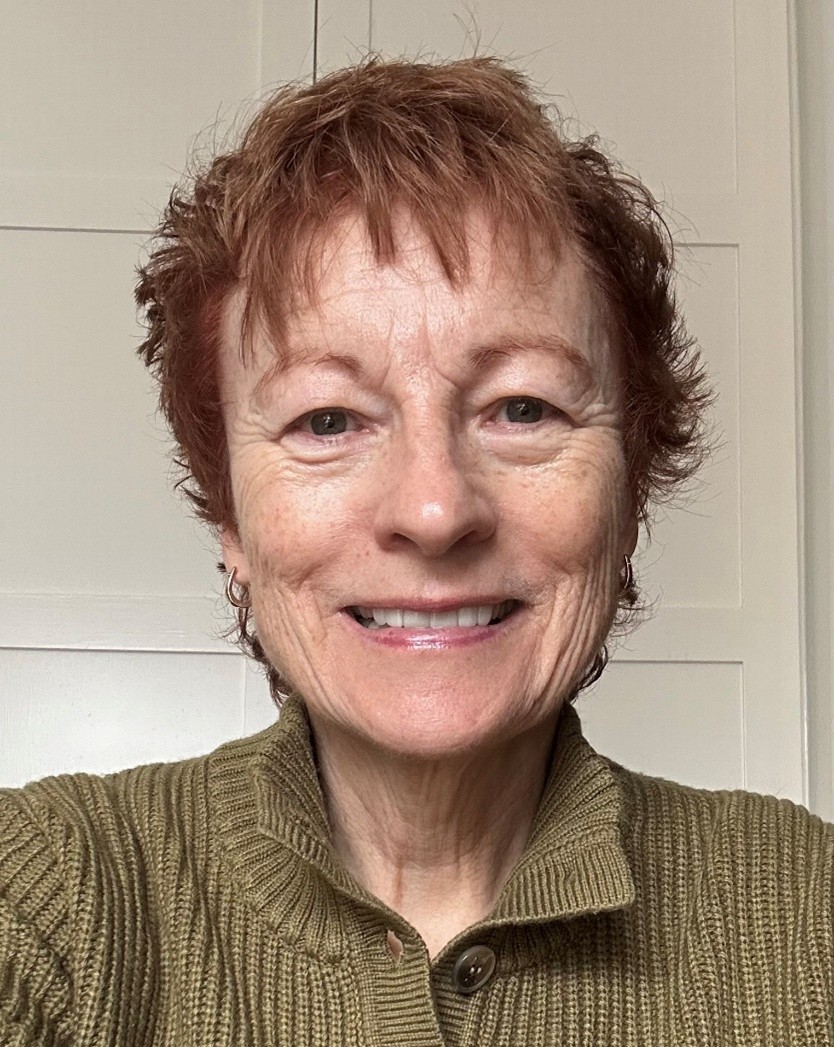
Dr. Deborah Lannigan obtained her Ph.D. in Biophysics at the University of Rochester where she focused on signal transduction mechanisms. During her postdoctoral research at the University of Rochester, she began her interest in estrogen biology which she has continued studying throughout her independent research career.
In the Department of Pathology, Microbiology and Immunology (PMI) at Vanderbilt University Medical Center she has continued her research on breast cancer and has recently started studying estrogen regulation of metabolism. Based on the work done in her laboratory and by others there is now the first-in-human clinical trial with a RSK inhibitor for the treatment of metastatic breast cancer.
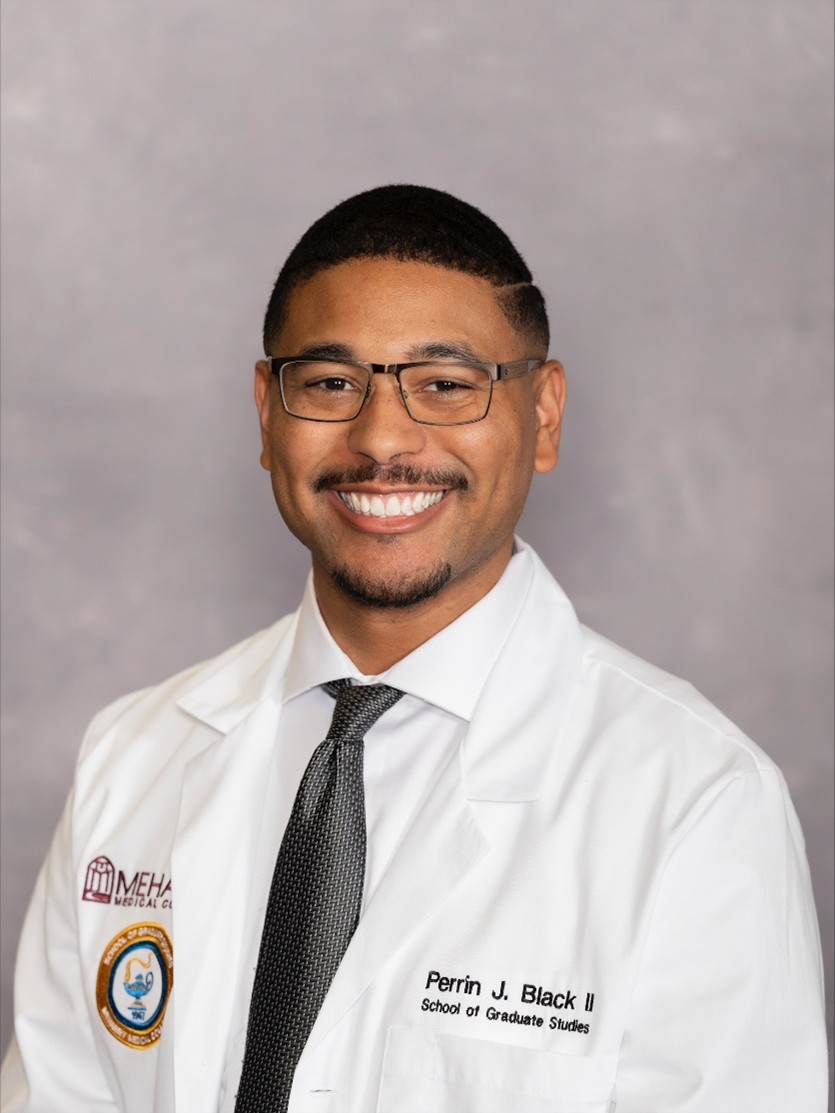
Mr. Perrin Black II has always been fascinated by the fields of science and medicine. Since early childhood, he has always known that helping those in need in the healthcare field was an inspiration of his, but as he grew from adolescence to young adulthood, the exact avenue by which he desired to enter the healthcare field was uncertain.
This avenue would become clear for Perrin after losing his grandmother to multiple myeloma during his undergraduate studies, serving as a major motivation to pursue a career in cancer research. Upon his matriculation into the School of Graduate Studies at Meharry Medical College in the Fall of 2021, he joined the laboratory of Dr. Amos Sakwe, where his dissertation project involves characterizing the drivers of invasiveness among different subtypes of triple-negative breast cancer. After graduation, Perrin intends to continue his work in cancer research by further refining his skillsets as a postdoctoral fellow. As a recent student speaker at the 2025 MVTCP Symposium, Perrin is excited to serve as a panelist this year.
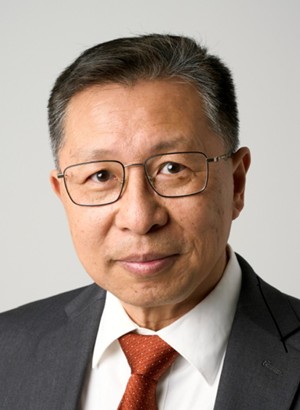
Dr. Xiaofei Wang completed his PhD study at the University of Hong Kong focusing on genetics and molecular biology. After postdoctoral research, he joined the faculty at Department of Biological Sciences, Tennessee State University (TSU). He is now a professor teaching graduate and undergraduate courses, and conducting federal and intramurally funded research.
His research interests include applying omics approaches to unveil molecular mechanism of physiological processes and disease. Dr. Wang is now working with Dr. Cai’s group on a current MVTCP project “Circulating immune cell profiles, immune biomarkers and lung cancer risk” and an expanding project “Immune cell DNA methylation impacted by dietary vitamin intake” using the Southern Community Cohort Study resources. In addition to above research projects, Dr. Wang is leading a group of faculty and staff at TSU and VUMC on a NHGRI founded project “Attaining Genomics Talent Cloud through undergraduate research education”, among other federal grant funded projects.
Downloadable Assets
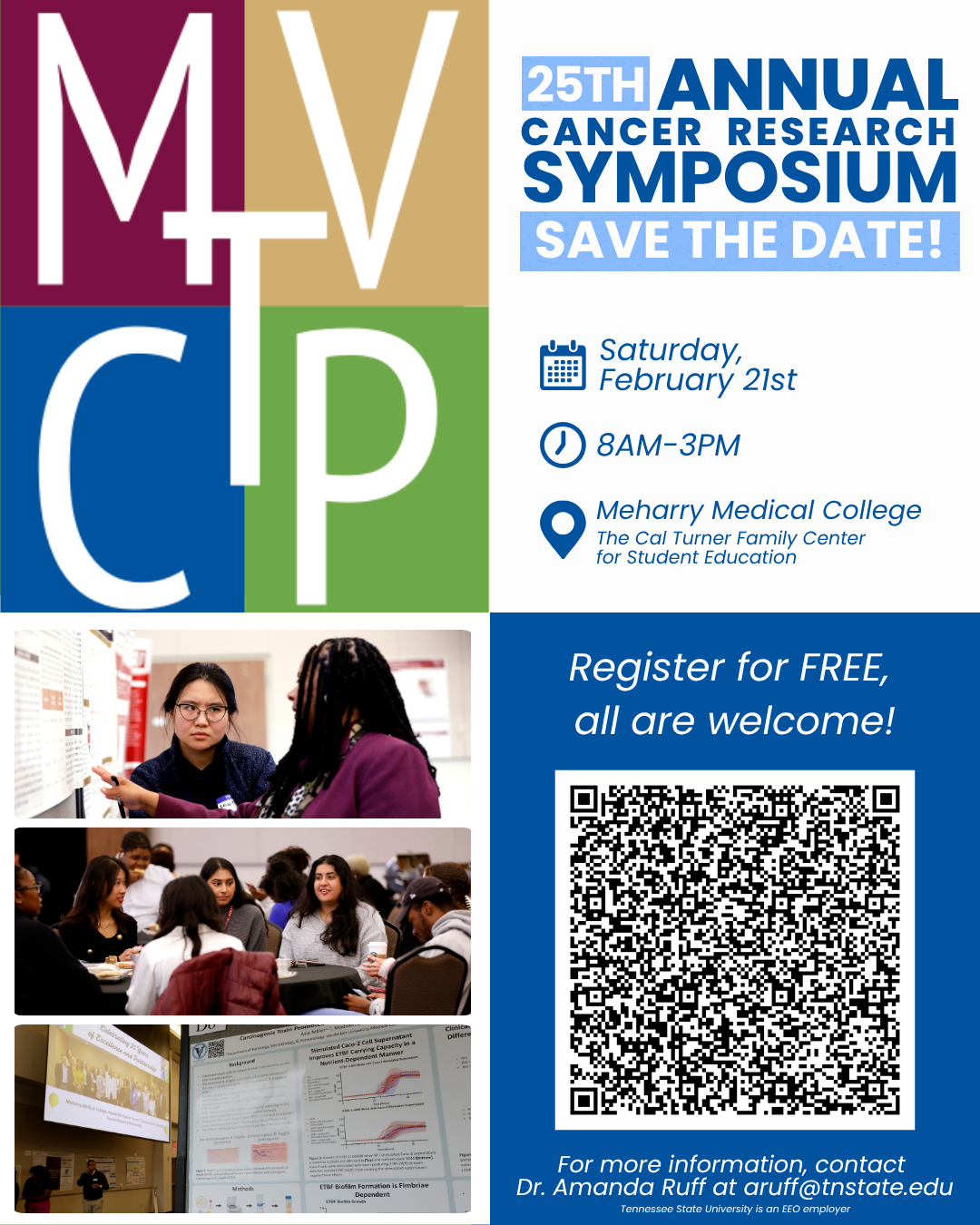
Save the Date Flyer
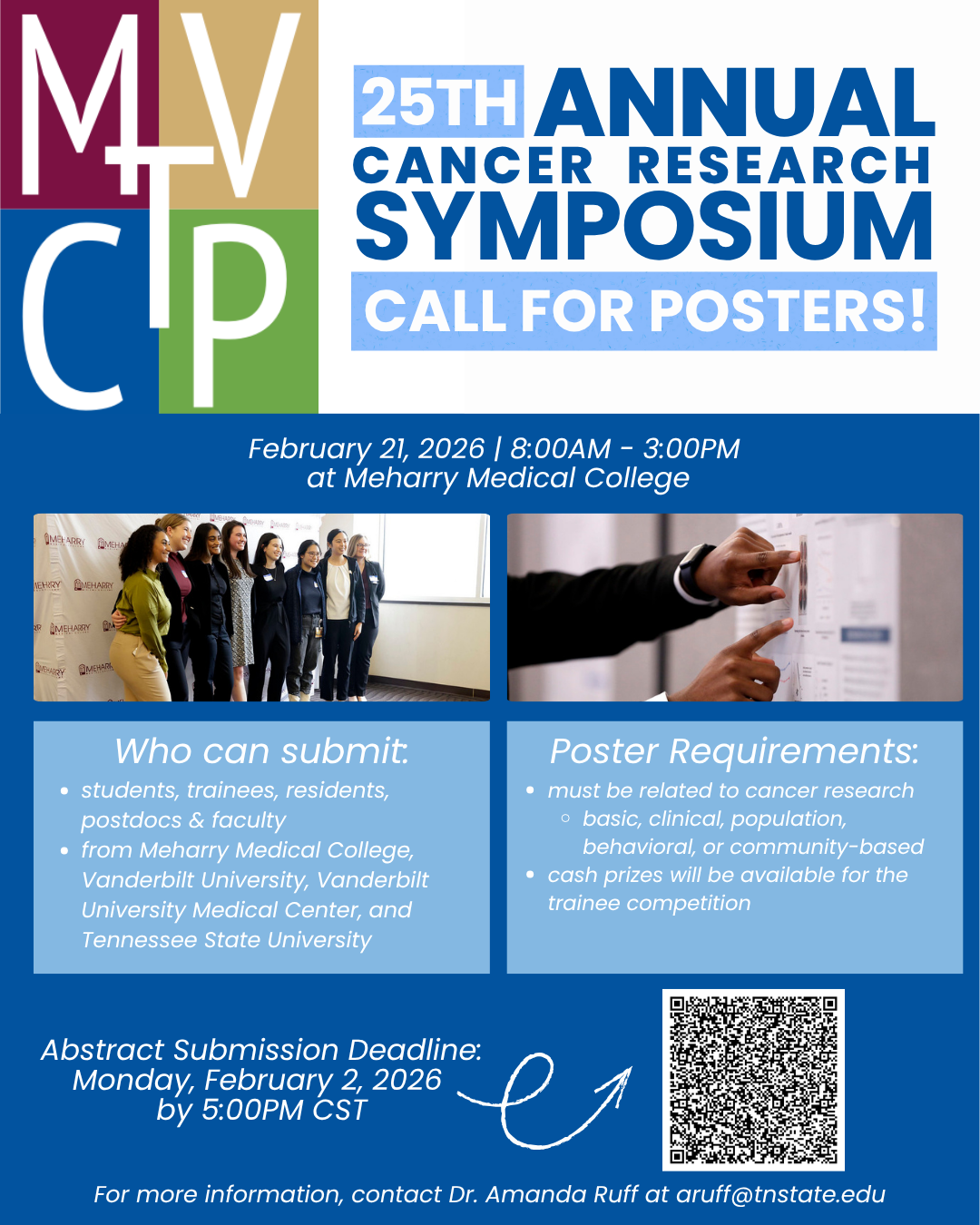
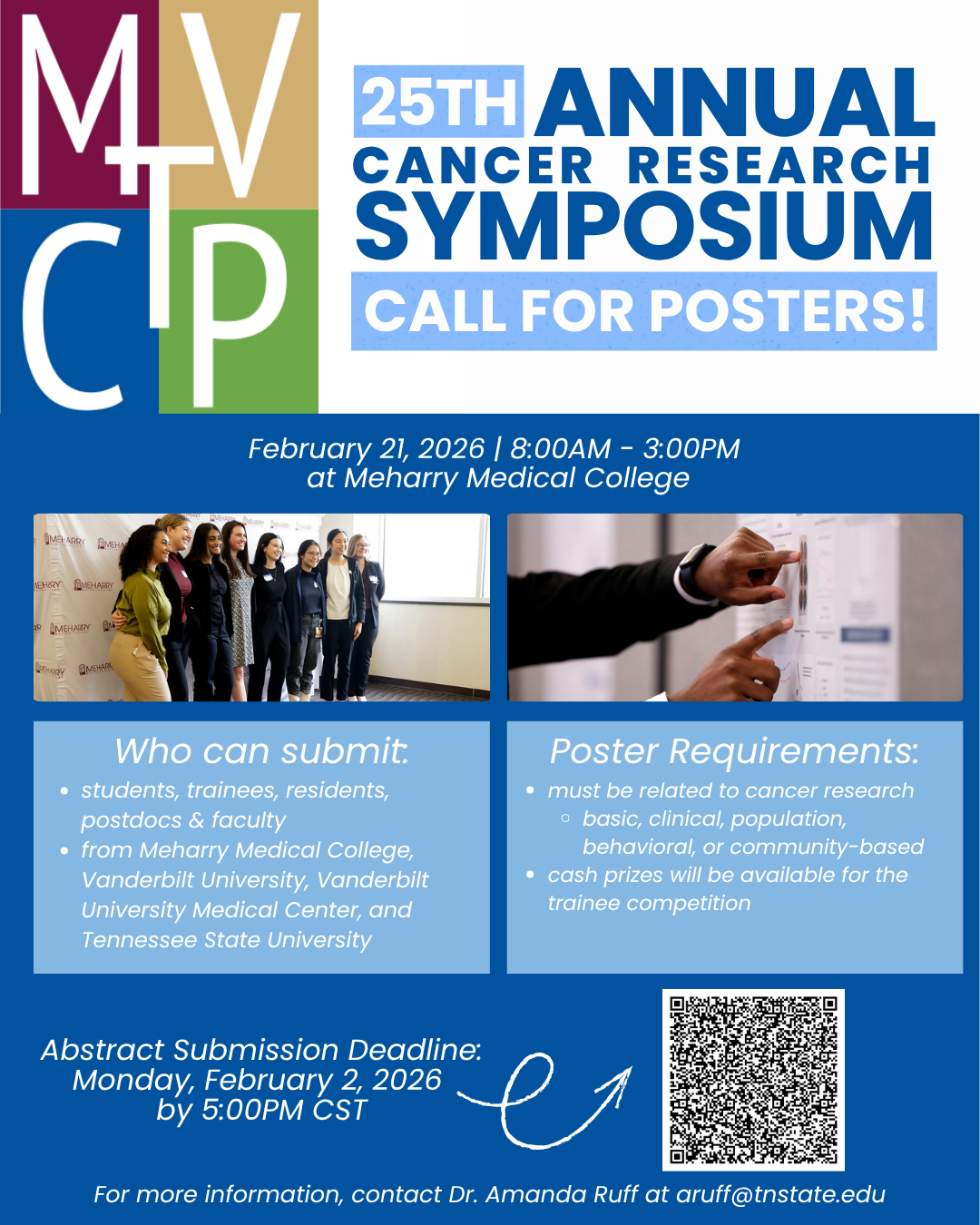
Call for Posters Flyer